
How Do You Become a Personal Stylist? Everything You Need to Know
You might be dreaming of excelling as a personal stylist with some amazing personalities, but you don’t know the right roadmap. This thought has already made you understand the value of personal styling. Especially in personal styling, the fashion industry has moved far beyond trends and editorial magazines. The value of personal stylists is increasing day by day because they help entrepreneurs, celebrities, executives, creatives, and private clients develop wardrobes that truly work well and represent their identities.
How do you become a personal stylist? The answer is not to have a great fashion sense only. It requires technical knowledge, styling experience, relationship-building skills, and the ability to understand people as much as clothing.
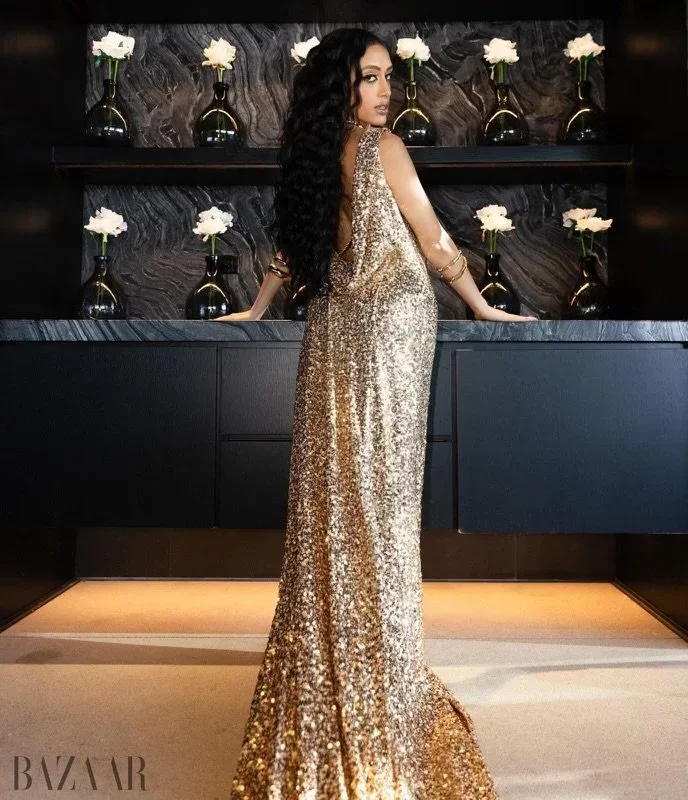
What Does a Personal Stylist Actually Do?
There is a concept about stylists that they only choose stunning outfits, and that's it their job is done. This is wrong. In reality the role is more than this.
A personal stylist is the one who understands client behaviour and thinking and creates wardrobes which truly support their lifestyles, careers and goals. A great is thinking is involved behind every recommendation.
A personal stylist may:
Conduct wardrobe audits
Create capsule wardrobes
Recommend shapes and proportions
Coordinate outfits for business, travel, events, and everyday life
Shop on behalf of clients
Develop seasonal wardrobe plans
Style editorial campaigns and commercial productions
Collaborate with photographers, designers, and creative teams
It is about understanding psychology. They understand how clothing can convey confidence and authority, which are valuable qualities in today’s world.
How to Become a Personal Stylist?
To get into this field, there is not a single path, but there is a standard approach every stylist must follow.
Develop Your Fashion Knowledge
The strongest stylists study fashion continuously. You need a sharp eye on fashion trends, although I am not asking you to follow every single one, but awareness is important because some pieces that are working now may not work in the future. It is just a part of this profession. You need to understand body proportions, color harmony, fabric behavior, garment construction, tailoring techniques, luxury craftsmanship, and historical and modern fashion references. Train yourself hard so that you won't fail on the biggest stages. Try to learn as quickly as possible. Every hemline, texture, neckline, and proportion contributes to the final visual story.
Invest in Some Education
There is no requirement for a professional degree to enter this career. If you have a deep love for fashion and a strong understanding of fashion, you can absolutely pursue this career. While a university degree is not mandatory, some basic education can make your learning process faster. Styled by Weathersby’s professional personal stylist course provides the technical framework that many aspiring stylists struggle to learn independently. This is a big opportunity for newbies who want to enter this field. Quality personal stylist classes typically cover wardrobe styling, personal shopping, color analysis, styling psychology, fashion communication, editorial styling, client consultations, luxury fashion knowledge, and portfolio development.
Set Your Career Goals
Before building your portfolio, decide in which direction you want to go. There is no need to learn everything. Become niche-specific. Because if you are trying to learn every aspect of fashion, whether you are interested in it or not, you have already lost ground.
Ask yourself:
Do you enjoy working one-on-one with people?
Do you prefer fashion campaigns?
Are you interested in entertainment?
Would you like to become a creative director?
A clear vision brings clarity and helps you build relevant experience from the beginning.
Ways to Work as a Personal Stylist
One of the biggest advantages of styling is its flexibility. There isn't just one career path.
Working for a Private Client
It is one of the long-term career options. Clients like vloggers and influencers often hire personal stylists to refine their wardrobes for professional life, special occasions, travel, lifestyle transitions, and personal branding. You can work with them for a long time because they work on their content, and thus wardrobes evolve with time.
Working for a Celebrity
Celebrities often need precision in their styling because they have to face the camera and millions of people watch them live. Thus, every appearance matters, whether it is red carpet events and interviews to magazine covers and social media campaigns. Celebrity personal stylists coordinate designer pull requests, accessories, tailoring, fittings, hair and makeup collaboration, and last-minute wardrobe adjustments.
Working for a Businessman or Businesswoman
These are the people who are busy in their professional lives and don't have enough knowledge of fashion styling. They don't have enough time to shop for new pieces. A very detailed and deep knowledge of fashion is involved in this niche. You will work with business individuals and executives, and their clothing can directly affect their careers. A stylist helps business professionals develop wardrobes that communicate authority. This often includes luxury suiting, smart business casual wardrobes, conference attire, travel capsules, speaking engagement outfits, and a brand-consistent personal style. Imagine someone is a millionaire businessman, and he is attending a meeting or event with no fashion sense. What kind of impression will others form of him? Of course it would be a bad impression. So clarity and precision are very important here.
Gain Real Experience
Experience is a key factor that differentiates a professional stylist from a newbie. It builds authority. If you don't have real experience, then why would someone hire you? Imagine it. Fashion knowledge becomes valuable only when you apply it consistently. Look for opportunities to assist with editorial shoots, fashion photographers, wardrobe departments, commercial productions, local designers, and established stylists. Every work you will do and every client remark will improve your judgement. Every negative feedback will urge you to become even better. It also teaches problem-solving, which is very valuable in fields like styling because unexpected conditions like onset adjustments occur often, and if you don't have enough experience with these types of situations, you will be under pressure and cannot handle them, and thus they will affect your reputation and work.
Build a Professional Portfolio
A portfolio is your visual resume. Try to build your portfolio from day one. High-value clients will not hire you on the basis of how many qualifications you have; they will judge you on the portfolio you have. If you don't have a perfect portfolio, then I am sorry you cannot achieve your dream.
Include projects that demonstrate versatility:
Editorial fashion
Personal styling
Commercial campaigns
Brand lookbooks
Creative direction
Before-and-after wardrobe transformations
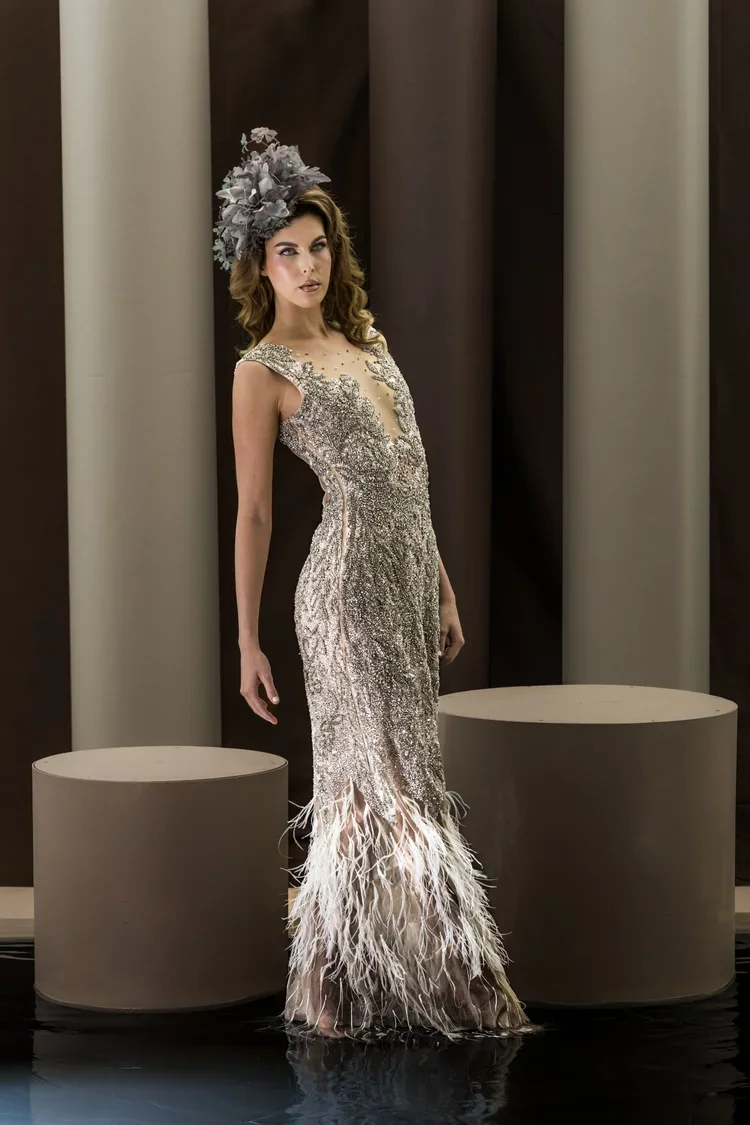
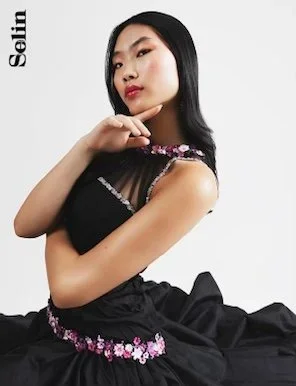
Styled by Weathersby collaborated with JEN, SELIN, and Athina Collection, creating wardrobes that work professionally. Remember quality always outweighs quantity.

Establish Your Online Presence
If you are not active in the online world, you cannot move forward. Today's clients often discover stylists before ever meeting them. For this purpose, a website is very important. Make an investment and build an amazing website that demonstrates your abilities to the world. Include your portfolio in it so that clients can hire you without meeting you first. If you look at amazing stylists, they already have stunning websites that showcase their abilities and why they are the best in the world.
Use Social Media Strategically
Every problem has a solution. If you don't have enough budget for your website and still you are thinking about how I should show myself to the world, then social media is the best option you have, and believe me, sometimes it works better than a website. Social media platforms like Instagram, Facebook, Twitter, and TikTok have become the most effective marketing tools for personal stylists. Upload your work on these platforms. Try to make engaging content about fashion styling. Instead of only posting finished outfits, share your creative process through styling breakdowns, wardrobe tips, behind-the-scenes content, fabric education, color pairing advice, shopping insights, and client transformations. Many personal stylists like Vincent Weathersby have brilliant Instagram pages, from which you can take inspiration.
Build Meaningful Relationships
Fashion is a relationship-driven industry. Strong networking can help you make your career grow faster. Strong professional networks create opportunities that advertisements cannot. Try to connect with photographers, makeup artists, hair stylists, designers, models, creative directors, producers, and fashion editors. Also make good relationships with senior stylists because they can recommend you to someone if they love your work. Every collaboration expands your reputation and increases future referrals.
Personal Stylist Salary
One of the most common questions newbies ask is about income.
A personal stylist's salary depends on several factors:
Location
Experience
Clientele
Industry specialization
Personal branding
Reputation
Entry-level stylists naturally earn less than senior stylists
However, if you work with private luxury clients, executives, commercial brands, and entertainment clients, you can earn more than $90,000 per year. Rather than focusing on salary, polish your skills, and when you have enough expertise, you can easily attract high-paying clients.
Why Professional Training Makes a Difference
Fashion is highly competitive. But if you have strong fashion taste, you can easily leave others behind. The difference between hobbyists and professionals is structured education and practical experience.
That's why the Styled by Weathersby’spersonal stylist course helps you understand not only fashion but also client communication, wardrobe planning, styling psychology, creative direction, and business development. Enroll now if you are serious about your dream.
Frequently Asked Questions
Do I need a fashion degree to become a personal stylist?
No, it can be beneficial; many successful stylists build their careers through professional training, practical experience, and strong portfolios.
What skills are most important for personal stylists?
A successful stylist needs creativity, communication skills, wardrobe planning expertise, color knowledge, attention to detail, organization, and an understanding of personal branding.
Are personal stylist classes worth taking?
Yes. Structured classes help you develop technical skills faster than self-study.
Can personal stylists work independently?
Absolutely. Many experienced stylists build successful businesses by working directly with private clients, executives, and entrepreneurs.
Is personal styling a good career?
Yes. It is a demanding field as personal stylists continue to increase across fashion, entertainment, and business industries.
