
How to Find the Best Fashion Stylist in LA
How to Find the Best Fashion Stylist in LA (Without Wasting Time or Money)
Finding a fashion stylist in Los Angeles is easy. Finding the right one is where most people get it wrong.
The city is saturated with stylists, freelancers, influencers, and self-proclaimed image consultants. Portfolios look polished; Instagram feeds look curated. On the surface, everyone appears qualified. Yet, when it comes to the metrics that actually matter, consistency, visual positioning, and professional clarity, most clients walk away without the results they expected.
This disconnect doesn't happen because styling is ineffective. It happens because most people choose a stylist based on aesthetic preference rather than strategic competency.
In a city where your image is your primary currency, choosing who manages it is not a decision to make casually. To get it right, you have to look past the "vibe" and understand the mechanics of high-level visual authority.
The Reality of the LA Styling Market
Los Angeles holds one of the most competitive and complex styling ecosystems in the world. However, the sheer volume of options often obscures the quality of the results. When you search for "styling," you aren't just looking at one profession; you are navigating a fragmented landscape of:
Editorial Stylists: Specialists in creating avant-garde "art" for high-fashion magazines.
Commercial Stylists: Experts at dressing for specific brand advertisements and retail catalogs.
Celebrity Stylists: Focused on red-carpet moments and high-impact public appearances.
Influencer Stylists: Driven by fast-moving social media trends and "viral" aesthetics.
The challenge is that the barrier to entry has vanished. Digital platforms have made it effortless for anyone to look like a high-level stylist. This creates a "crowded market" effect where perception is frequently used to mask a lack of foundational expertise.
True authority in this space requires more than a curated feed; it requires on-set production knowledge, a proven history of client transformations, and a strategic understanding of visual semiotics, the science of how clothing communicates power, trust, and personality. Without these, you aren't hiring a strategist; you're hiring an enthusiast.
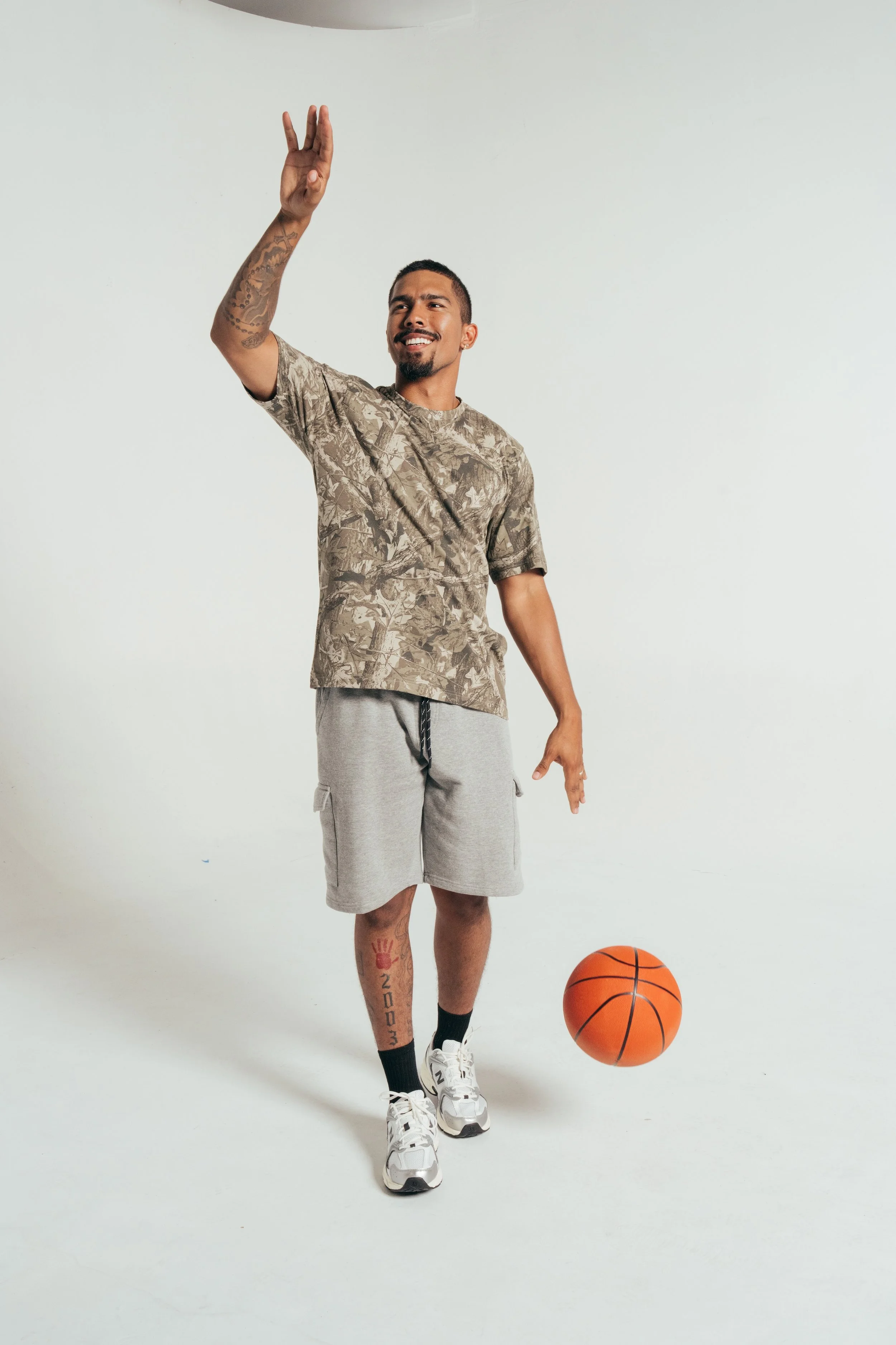
Why Most People Choose the Wrong Stylist
The mistake almost always stems from a single point of failure: evaluating based on aesthetics rather than outcomes.
When you choose a stylist based on "vibe," you aren't hiring for results; you're hiring for a preference. Here is how that miscalculation manifests in the LA market:
The Instagram Fallacy (Taste vs. Consistency)
A curated feed proves a stylist can produce a beautiful image under perfect conditions. It does not prove they can manage the nuances of different body types, lighting environments, or the specific professional demands of a client’s real life.The "Instinct" Trap (Art vs. System)
Many stylists rely entirely on "gut feeling." While taste is necessary, instinct doesn't scale. Without a structured system, a repeatable methodology for auditing, sourcing, and tailoring, your results will be unpredictable and impossible to maintain long-term.The Lack of Objective Clarity
Most people approach a stylist without first defining their visual ROI. If you don't know whether you need to command a boardroom, build trust on a stage, or reinvent your social presence, the stylist is forced to guess. This lack of alignment leads to expensive, mismatched expectations.Trend Awareness vs. Visual Strategy
Being "fashionable" is a passive act of following industry dictates. Being effective is an active strategic choice. A stylist who prioritizes what is "in" over what is "intentional" is giving you a costume, not a brand.
The result is predictable: You end up with a collection of outfits, but zero alignment with your goals. You look "better," but you don't feel more powerful.
What This Mistake Actually Costs
Choosing the wrong stylist is more than a sunk cost; it is a strategic setback. In a high-stakes environment like Los Angeles, the fallout of a "bad fit" extends far beyond your bank account. It creates a cycle of diminishing confidence and missed opportunities.
When the alignment is off, the consequences compound:
Residual Insecurity: Despite the investment, you still feel a disconnect between who you are and how you appear. This "imposter syndrome" by design prevents you from being fully present in high-pressure moments.
Wardrobe Fragmentation: You end up with a closet full of expensive, disparate pieces that don't talk to each other. Your wardrobe remains a source of stress rather than a streamlined tool.
The "Guessing" Relapse: When a stylist fails to provide a logic-based system, you eventually lose trust in the process and revert to the same guesswork that led you to hire a professional in the first place.
Opportunity Cost: In a city where perception scales, every day you spend "figuring it out" is a day you are being misread.
In the LA market, clarity is a competitive advantage. While you are stuck in a cycle of trial and error, your peers and competitors are moving through the world with a visual narrative that is already working for them. Delay doesn't just cost money, it costs positioning.
The Shift: From “Looking Good” to “Being Positioned Correctly”
Most people treat personal styling as an aesthetic upgrade, the goal is simply to "look better." In the context of high-level personal branding, that approach is dangerously surface-level.
The real objective of professional styling is alignment. True visual authority only exists at the intersection of three critical pillars:
Your Identity: Who you are and the core values you represent.
Your Environment: The specific cultural and professional landscapes you navigate (e.g., a Silicon Beach tech hub vs. a Century City law firm).
Your Ambitions: Where you are going and the room you need to belong in next.
A high-tier stylist understands that clothing is never the end result; it is a communication tool for positioning. When your wardrobe is architected correctly, it functions as a silent advocate that validates your expertise before you even speak.
Once you internalize this shift, viewing your image as a functional asset rather than a vanity project, your criteria for choosing a stylist changes completely. You stop looking for a shopper and start looking for a brand architect.
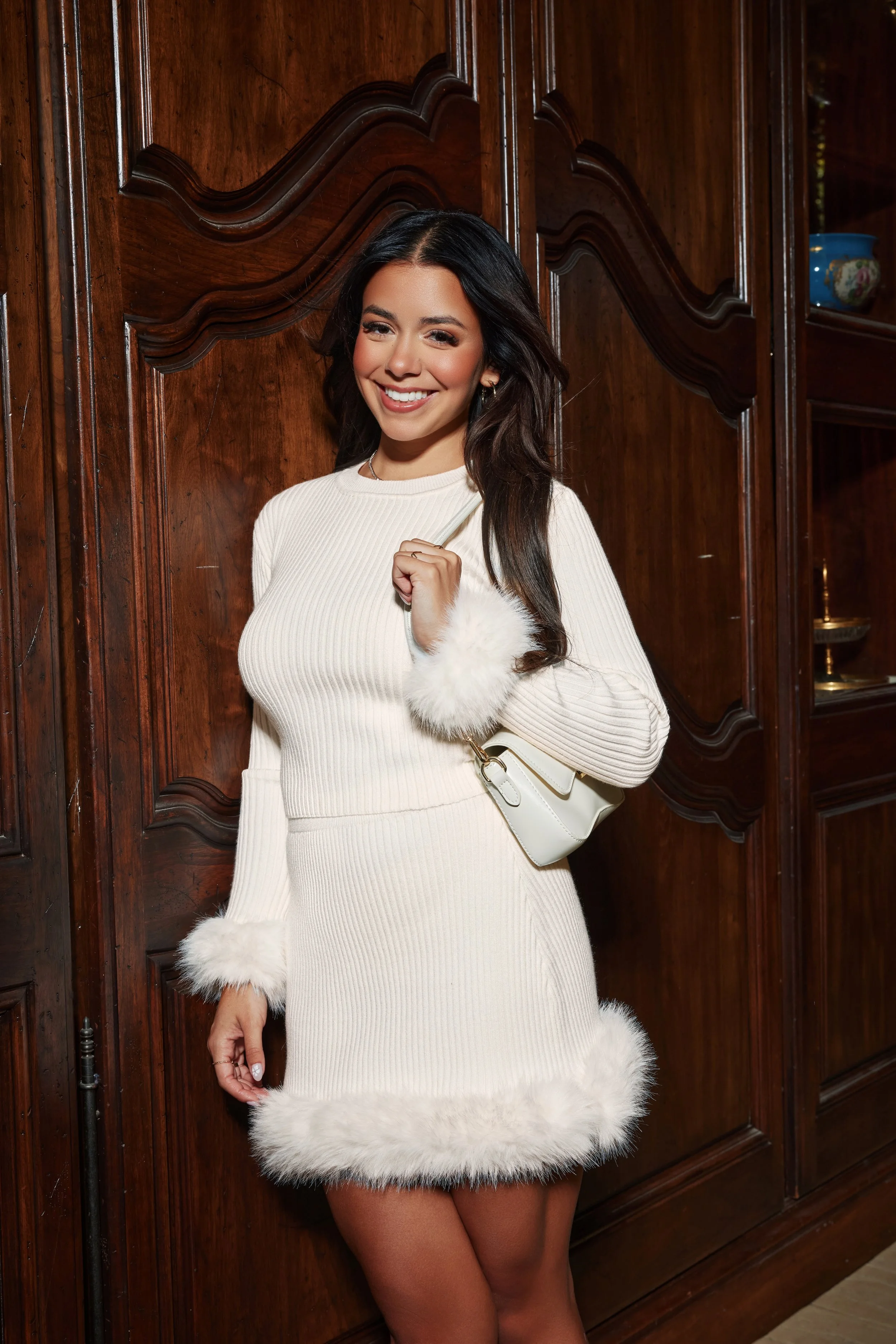
How to Find the Best Fashion Stylist in LA
To find a stylist who can actually move the needle for your brand, you must move from passive observation to active vetting. Here is the first and most critical filter:
1. Look Beyond the Portfolio and Study the Pattern
A portfolio is a curated highlight reel designed to impress, not necessarily to inform. To find the best, you need to identify consistency under pressure. High-level styling isn't about having a "signature look"; it’s about the ability to solve diverse visual problems.
When evaluating a stylist’s work, look for the following patterns:
Diversity of Canvas: Do they work across different body types, ages, and ethnicities? If every client in their portfolio looks like the same archetype, they aren't styling individuals; they are casting characters in their own aesthetic fantasy.
Industrial Adaptability: Can they pivot between industries? A stylist who excels in "Streetwear" might lack the nuance required for "Executive Leadership" or "Tech Founder" positioning. The best stylists translate your identity into the language of your specific industry.
Intent vs. Repetition: Does their work feel intentional, or are they simply repeating the same three "safe" outfits? You want a stylist who makes choices based on functional logic, not just what is currently trending in the LA zeitgeist.
The highest-tier stylists don't just produce "good looks." They are problem solvers who use clothing to bridge the gap between where a client is and where they need to be. If the portfolio shows the same solution for every client, they aren't the strategist you need.
2. Evaluate Their Thinking, Not Just Their Taste
In the world of high-end styling, taste is the "entry fee," but strategy is the product. Taste is subjective and often fleeting; strategy is objective, rooted in logic, and designed for longevity.
When interviewing a potential stylist, you are looking for a "Visual Architect." A high-level professional must be able to articulate the why behind every garment. If they can’t explain their decisions, they are likely relying on instinct alone, and instinct without a framework is impossible to replicate once they leave your closet.
A strategic stylist should clearly define:
The Logic of the Silhouette: Why specific cuts and fabrics work for your unique proportions and the message you need to send.
Lifestyle Integration: How your wardrobe transitions between the disparate environments of LA, from high-stakes morning meetings to casual industry mixers and evening galas.
The Visual Trajectory: What direction your style is moving toward. They shouldn't just dress you for who you are today, but for the version of you that will exist eighteen months from now.
If a stylist’s only defense for an outfit is "It looks cool" or "It's very on-trend," they are an enthusiast. If they can explain how a specific lapel width or color palette subconsciously builds trust or commands authority, they are a strategist. Consistency is built on logic, not luck.
3. Understand Their Process Before You Commit
In any professional service, the quality of the output is a direct result of the integrity of the process. Effective styling is not a series of "lucky finds" at a boutique; it is a structured engineering project.
In a city like Los Angeles, where time is the ultimate luxury, you cannot afford a stylist who "wings it." Without a repeatable methodology, your results become unpredictable and unpredictability is the exact problem you are paying to solve.
At a minimum, a high-level styling engagement should follow a clear, five-stage framework:
The Discovery Phase: A deep dive into your psychological relationship with clothes, your professional goals, and your lifestyle constraints.
The Wardrobe Assessment (Audit): A ruthless evaluation of your current assets. A true expert optimizes what you already own before suggesting you spend more.
Targeted Sourcing: Strategic acquisition based on a "missing link" list, not impulsive shopping. This is where the stylist's industry connections and "on-set" knowledge save you time and capital.
Outfit Architecture (Building): Synthesizing new and old pieces into a comprehensive digital or physical lookbook. You should never have to "think" about an outfit again.
Ongoing Refinement: Style is iterative. A professional provides feedback loops to ensure the wardrobe evolves as your career or life changes.
If a stylist cannot walk you through their specific workflow, they don't have one. And without a process, you aren't investing in a solution; you’re just paying for a temporary opinion.
4. Check for Real-World Experience, Not Just Visual Work
Los Angeles is a city defined by environments, not just images. A "pretty" photo on a screen is a static achievement; a successful life in LA is a dynamic one. To find the best stylist, you must distinguish between someone who can dress a mannequin and someone who can dress a human being for the complexities of the real world.
A professional's authority is rooted in their ability to navigate diverse "lived" scenarios. This level of awareness is impossible to fake and only comes from years of high-stakes, real-world experience. A high-tier stylist understands:
Environmental Dynamics: How an outfit translates from the artificial "white box" of a photo studio to the harsh mid-day sun of a West Hollywood lunch or the dim, directional lighting of a gala.
The Technical Lens: An understanding of how different fabrics, patterns, and colors react to high-definition cameras and mobile video, critical for anyone in the public eye or the corporate spotlight.
The "Motion" Factor: Styling for movement, not just a pose. They prioritize comfort and practicality, ensuring that your clothes don't just look good when you're standing still, but remain composed while you're walking, sitting, or presenting.
The Contextual Hierarchy: The nuanced difference between "Executive Casual," "Industry Professional," and "Red Carpet Impact."
This degree of expertise ensures that your wardrobe is a functional asset, not a fragile costume. If a stylist’s experience is limited to curated social media visuals, they lack the technical depth to manage your image in the real world. You need someone who has been on-set, on-site, and in the room.
5. Prioritize Alignment Over Hype
In a city that thrives on celebrity and status, it is easy to get distracted by "hype." However, the most famous stylist in Los Angeles, the one with the largest following or the highest-profile clientele, may not be the best stylist for you.
This is the stage where most decisions fail: people chase reputation instead of relevance. High-level styling is an intimate, collaborative partnership, and without a foundation of mutual understanding, the results will always feel forced.
To find the right partner, you must prioritize alignment in three key areas:
Goal Comprehension: Do they understand the specific "why" behind your transformation? If you are looking to pivot your career, they should be focused on professional positioning, not just "cool" outfits.
Identity Respect: A great stylist should be a mirror, not a mask. They should possess the skill to elevate your current aesthetic without forcing you into a persona that feels foreign or disingenuous to your true self.
Creative Synergy: There should be a natural "click" in communication. You aren't just buying clothes; you are buying a second set of eyes on your personal brand. If the stylist’s primary objective is to impose their own signature style onto you, the alignment is broken.
The best stylist for you is the one who sees the version of you that is ready to emerge and provides the visual framework to make it happen. Relevance will always outperform reputation.
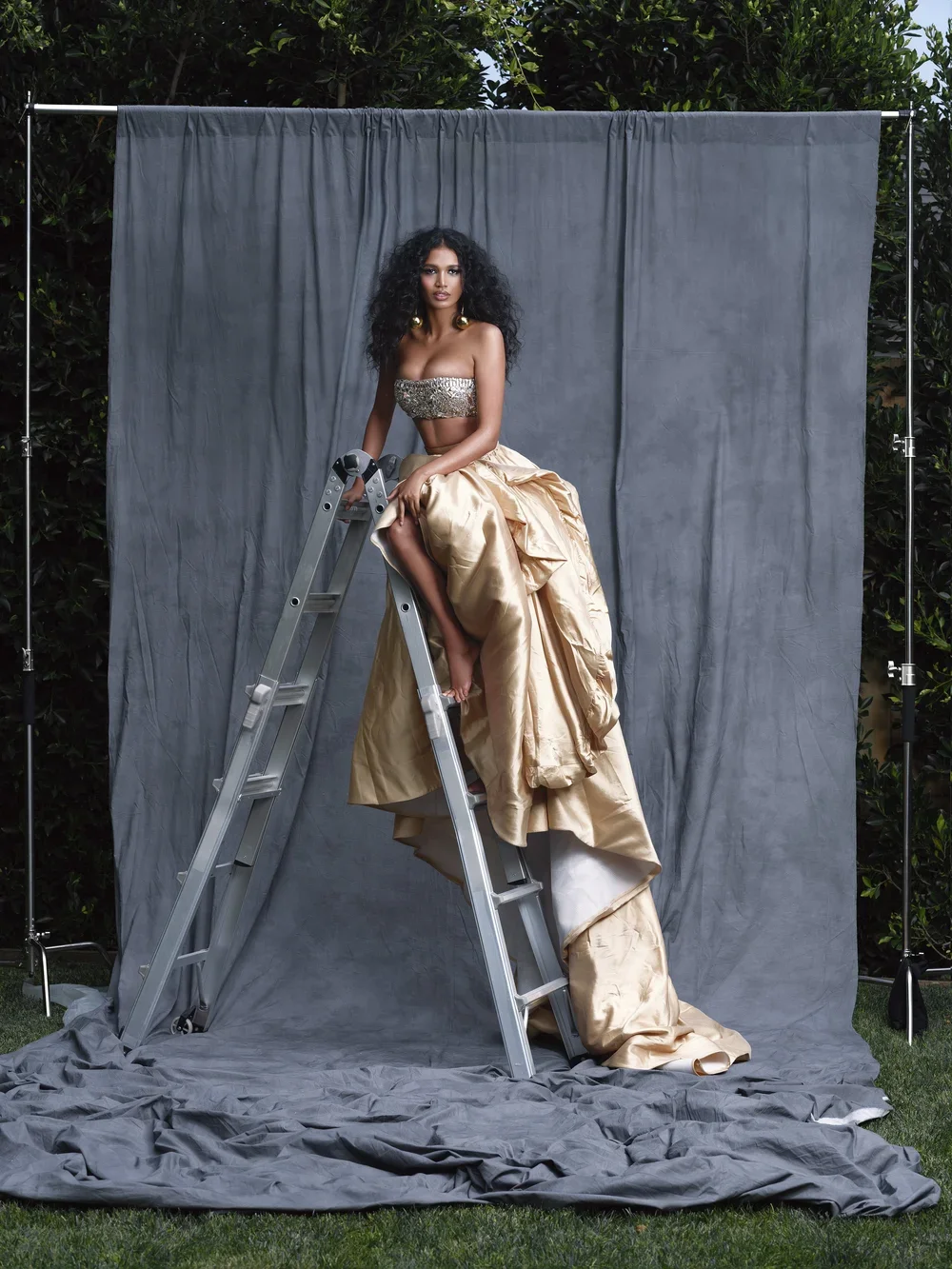
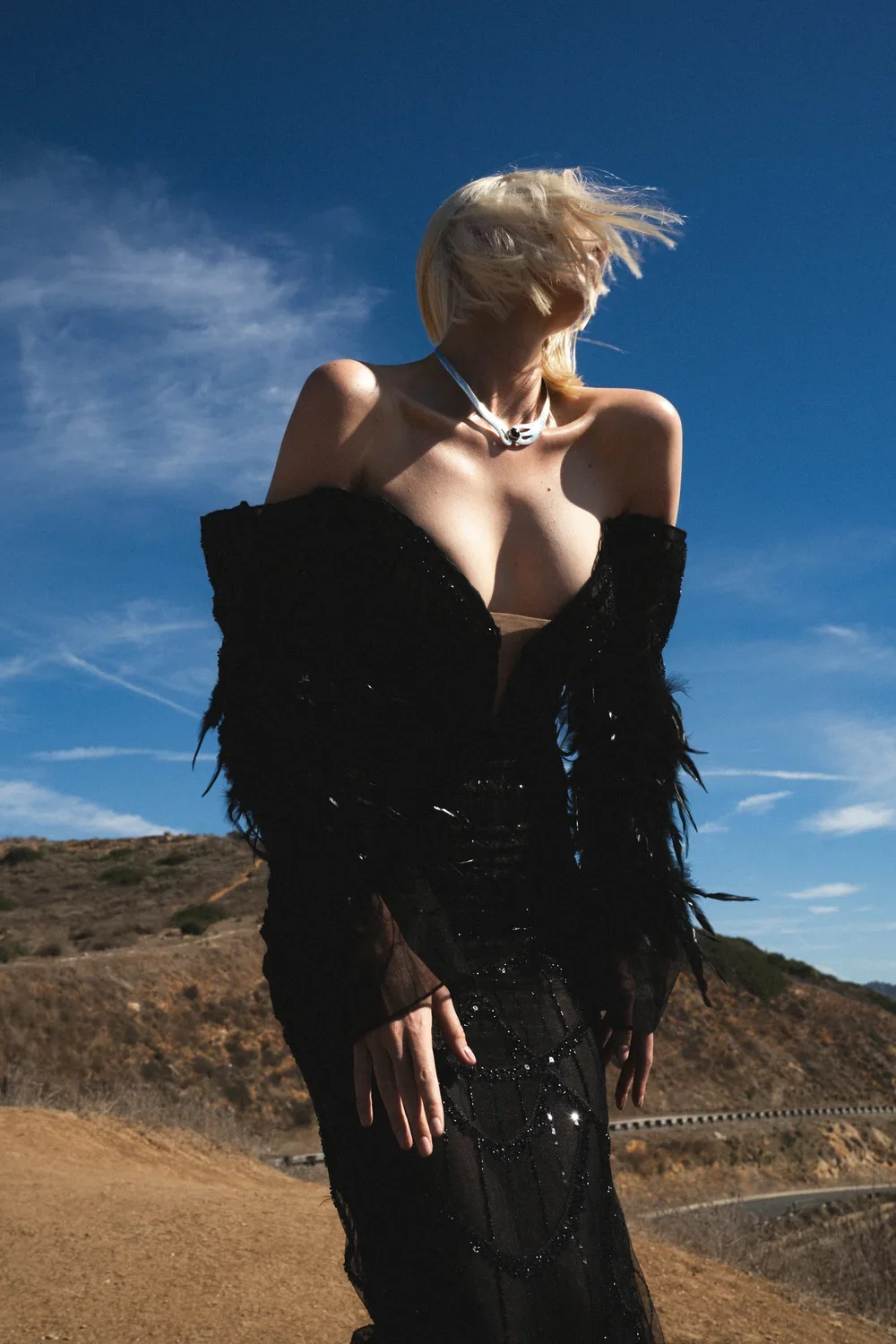

What High-Level Styling Actually Feels Like
When you move past the "shopping" phase and into a partnership with the right strategist, the shift isn't just visible, it’s visceral. The difference is immediate, moving from a state of visual clutter to one of cognitive ease.
High-level styling doesn't add more "work" to your morning; it removes the friction of choice. When the alignment is correct, you will notice:
The End of Decision Fatigue: You no longer hesitate in front of your closet. Every piece has a purpose, and every combination is pre-validated, allowing you to reallocate that mental energy toward your actual work.
Total Visual Consistency: Your image stops being a series of "good days" and "bad days." Whether you are at a casual coffee meeting or on a global stage, your presence remains stable and intentional.
A Sharpened Sense of Identity: You don’t feel like you’re wearing a costume. Instead, the clothes act as a visual reinforcement of your internal confidence. You look like the most refined version of yourself.
External Validation: You’ll notice a shift in how others respond to you. The feedback becomes clearer, not because you’re "dressed up," but because your appearance finally matches your expertise.
In the end, world-class styling doesn’t feel like you’re "trying harder." It feels like things finally make sense. It is the transition from trying to fit in to naturally standing out.
The Strategic Advantage Most People Overlook
In a high-velocity market like Los Angeles, your image isn't just a personal choice, it’s a data point. Most people overlook the fact that small, intentional improvements in presentation create disproportionate professional returns.
This is the power of Visual Scaling. Because the human brain is wired to make snap judgments, your appearance does the heavy lifting of "vetting" you before you even exchange business cards. When your image is strategically aligned:
Accelerated Categorization: You stop being a "mystery" to solve. People can instantly categorize your level of authority, your industry, and your taste level, allowing you to bypass the "proving" phase and move straight to the "doing" phase.
Frictionless Mobility: You fit into high-level environments naturally. Whether it’s a private member's club in Malibu or a boardroom in DTLA, your appearance signals that you belong in the room, removing the subtle social barriers that hinder outsiders.
Reduced Resistance: A polished, intentional image reduces the "cognitive load" of a first impression. When you look like the expert you are, you eliminate the skepticism that often plagues talented people who under-represent themselves visually.
This is not a matter of vanity; it is a matter of operational efficiency. It is about ensuring that the way you are perceived is a direct, accurate reflection of your value. In a city where everyone is competing for attention, alignment is the fastest way to gain it.
The Cost of Getting This Wrong
If you choose a stylist based on surface-level signals, like a high follower count or a "trendy" portfolio, you risk remaining trapped in the same cycle of visual noise. A bad hire doesn't just fail to solve the problem; it reinforces it.
Without a strategic foundation, you continue to face the same friction:
Financial Leakage: You continue buying more items without a roadmap, leading to a "full closet but nothing to wear" syndrome that wastes both capital and space.
Directionless Dressing: You remain dependent on external "trends" rather than an internal compass. Your style remains reactive rather than proactive.
Impact Dilution: You continue to show up in high-stakes environments without a clear visual signature, causing your message to be lost in the shuffle of a crowded market.
In a slower-moving city, these inconsistencies might go unnoticed for years. In Los Angeles, this lack of clarity compounds.
In a market defined by speed and visual competition, while you are busy "adjusting" and second-guessing your choices, your peers are already operating with total alignment. They are being invited into the rooms you are still trying to find. In LA, the gap between being unfocused and being positioned only grows wider over time. You aren't just losing style, you’re losing ground.
If You Want the Right Stylist, You Have to Choose Differently
If your only objective is to "look better" or refresh your seasonal wardrobe, almost any personal shopper or enthusiast in Los Angeles can assist you. But for those operating at a high level, "better" is a vague and insufficient metric.
If your goals are to:
Accelerate Authority: Be taken seriously the moment you enter a room, bypassing the need to "prove" your status.
Establish Visual Reliability: Present yourself with a relentless consistency that builds trust and reinforces your personal brand.
Bridge the Ambition Gap: Align your current appearance with the future version of your career or lifestyle.
If these are your objectives, the standard of who you hire must be significantly higher. At this level, you aren't looking for a stylist with "good taste", taste is the baseline, not the solution. You are looking for a specialist who understands positioning.
You need a partner who views your wardrobe not as a collection of garments, but as a strategic asset. When the stakes are high, you don't need a trend-follower; you need a brand architect who understands how to translate your internal value into an external powerhouse.
Why Styled by Weathersby Stands Out in LA
In a city where most stylists operate at the level of surface-level aesthetics, Vincent Weathersby operates at the level of strategic alignment.
The "Styled by Weathersby" methodology is built on the principle that clothing is a secondary detail; the primary focus is the individual. This isn't just about fashion, it’s about the engineering of influence. The approach is grounded in three core pillars:
Human-First Discovery: We prioritize understanding the client, their psychology, their pressures, and their objectives, long before we touch the clothing.
Identity Translation: We specialize in the complex task of translating an abstract internal identity into a concrete visual form. Your wardrobe becomes a coherent narrative that tells your story accurately.
The Industry Balance: We masterfully balance your unique individuality with the specific, often unspoken expectations of your industry. You look like yourself, but the most powerful version of yourself.
With a background spanning commercial, editorial, and high-stakes media environments, the work goes far beyond simply "putting outfits together." It is about architecting a consistent, intentional presence that remains bulletproof across every medium:
Real Life: Natural movement and comfort for day-to-day high performance.
The Camera: Technical precision for video, social media, and press appearances.
Professional Settings: Command and authority for boardrooms, keynotes, and elite networking.
That level of absolute consistency is what most high-performers are actually looking for, even if they haven’t yet found the words to articulate it. At Styled by Weathersby, we don't just dress you for the day; we position you for the decade.
Stop Managing Your Wardrobe and Start Managing Your Presence
If your style still feels inconsistent despite your best efforts, the problem isn’t a lack of items or a lack of interest. It is a lack of structure.
In a high-stakes environment like Los Angeles, structure doesn't come from "trying harder" or following more influencers. It comes from implementing a proven system with someone who understands the mechanics of visual authority.
This is where Vincent Weathersby becomes your most valuable asset. This partnership isn't just an "upgrade" to your closet, it is a fundamental correction to how you approach your entire professional and personal presentation. Once the foundation of your visual identity is architected correctly, every other aspect of your personal brand becomes easier to build, sustain, and scale.
The Decision Is Yours: Guessing vs. Positioning
Every day you spend second-guessing your image is a day your brand is losing its competitive edge. If you are done with the cycle of trial and error and are ready to move with intention, the path forward is clear.
Ready to eliminate the guesswork and align your image with your ambitions?
[Schedule Your Private Strategy Session with Vincent Weathersby]
Position yourself for the room you haven't entered yet.
