
The Impact of a Fashion Stylist in Making or Breaking Your Advertising Campaigns
In modern advertising, looking perfect is not decoration it is strategy. A fashion stylist can make or break your advertising campaigns because every fabric choice, shape decision, and texture silently communicates brand value. In this visually saturated digital world, audiences decide within seconds through whether a campaign feels credible or forgettable.
For brands, the truth is styling is no longer a supporting role; it is the visual identity of the campaign itself.
According to Styled by Weathersby, a Los Angeles-based wardrobe stylist, fashion styling is a controlled language of identity, emotion, and commercial intent. I create looks that translate brand messaging into visual memory.
This article will guide you on how a good stylist can make your advertisement unforgettable.

How Fashion Stylists Impact Advertising Campaigns
Fashion stylists shape the entire visual narrative of a campaign before the camera rolls. They have to think about creative direction, branding, consumer psychology, and how clothing can communicate with consumers.
A professional stylist influences:
Wardrobe selection that aligns with brand’s DNA
Outfit structure that supports movement and emotion
Color systems that represents brand authority
Fabric choices that communicate texture and utility
Teamwork is also necessary. In high-end campaigns, stylists collaborate with photographers, makeup artists, and directors to ensure visual consistency across every frame. Vogue Business has consistently highlighted how styling is now central to campaign ROI, not just production aesthetics.
Vincent Weathersby: Los Angeles-Based Wardrobe Stylist & Creative Director
As a professional wardrobe stylist, I believe wardrobe styling should align with a brand’s overall strategy. Selecting random clothing can make a brand lose its credibility and negatively impact consumer psychology. My philosophy is simple: clothing is not decoration; it is visual language, which defines how a brand is perceived.
Across fashion campaigns, editorial productions, and commercial shoots, I developed the kinds of visual systems that translated ordinary brand ideas into cohesive imagery. Every project I took on, I handled with precision and clarity.
I do not treat styling as an accessory. My workflow positions wardrobe as a core element of visual storytelling.
My Work Experience That Actually Delivered Results
Over the years, I have worked on projects where wardrobe styling played a direct role in shaping brand perception, visual storytelling, and audience engagement. The following examples demonstrate how I worked with different brands and strengthened their overall impact.
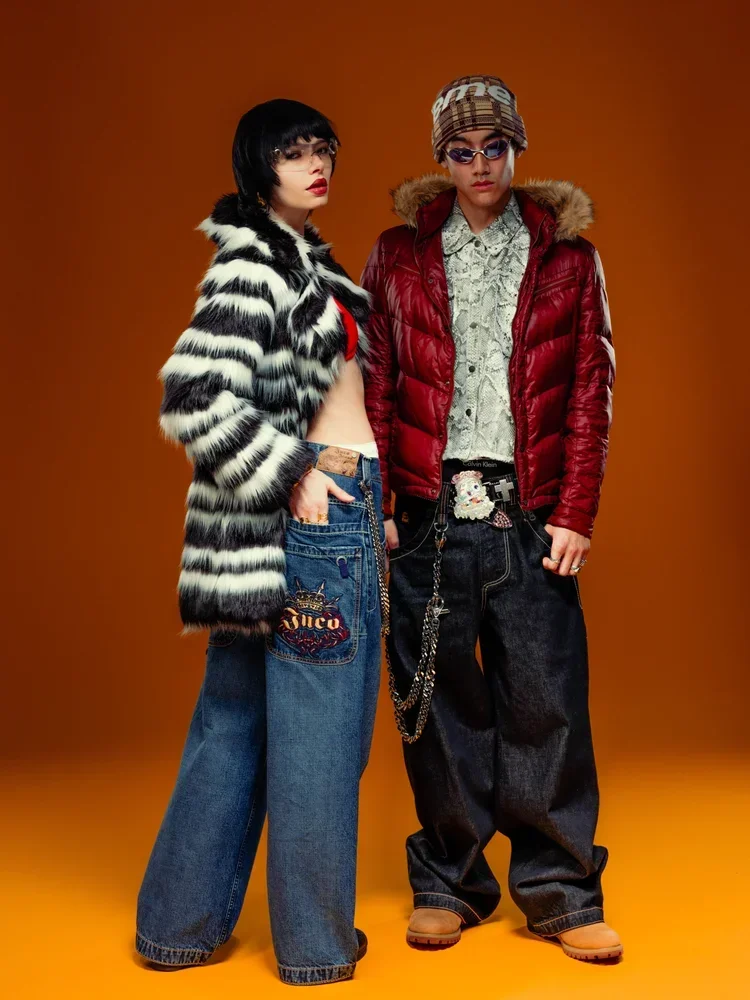
JNCO Campaign - Styling & Creative Direction
For the JNCO campaign, I collaborated with @xxtoska, one of the best photographers I’ve worked with. I worked on this visual campaign inspired by streetwear fashion and Y2K style
The styling direction was all about oversized proportions, layered shapes, and raw urban texture, which was reflecting the rebellious and unconventional spirit associated with the JNCO aesthetic. I kept brand positioning and modern streetwear language in mind throughout the campaign.
This project highlights my ability to merge historical fashion with modern advertising needs.
“Bratz Summer Never Ends” Campaign as Creative Direction & Lead Wardrobe Stylist
"Bratz Summer Never Ends” was a large-scale editorial campaign led by me. Featuring talent including @diana.fedorova, @gleveenoctavia, @iamnatashaaponte, and @tifannykleec, the entire production was supported by a full creative team covering photography, makeup, hair, and wardrobe assistance. This campaign required a strong coordination to maintain a consistent visual direction. The campaign required a feminine perspective, so the styling concept was built around feminine nostalgia, bold pop culture references, and playful visuals. Every look was highlight personality, color, and movement across different sets and talents. Wardrobe styling played an important role in storytelling consistency.
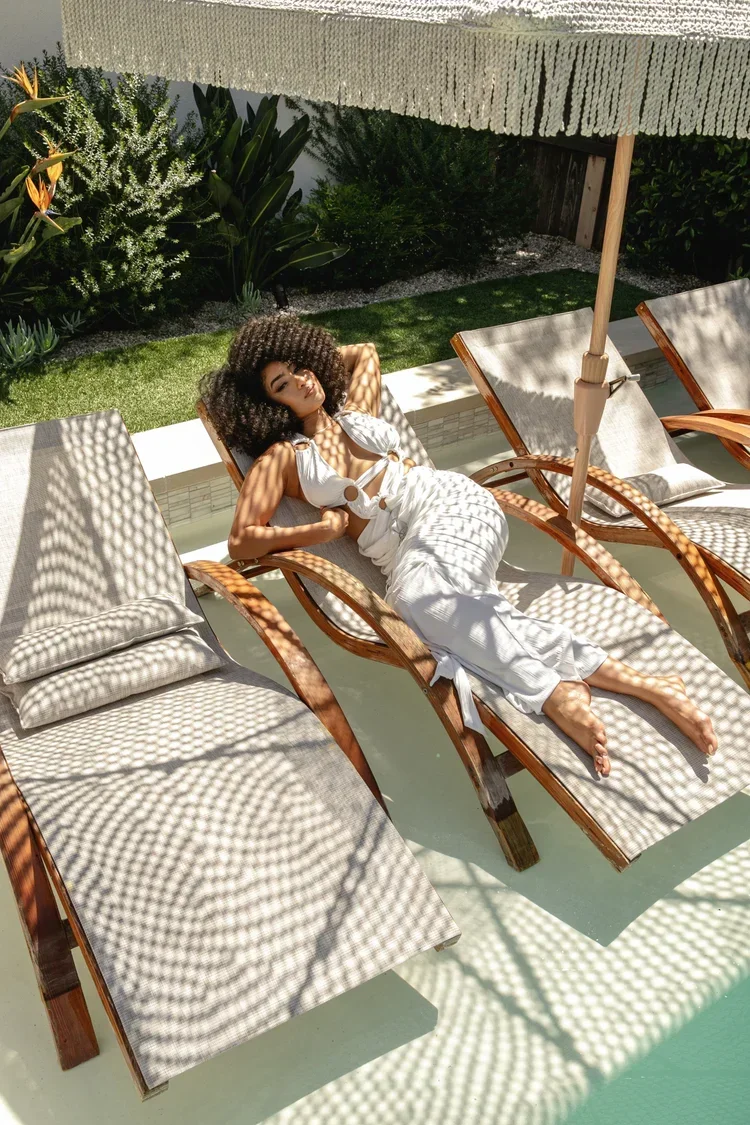
E-Commerce Fashion Production Work (@athinacollection)
I created e-commerce fashion production work for @athinacollection, by collaborating with @melbrazilia and @brianchristopher. The idea was to focus on conversion-driven fashion styling. Unlike other editorial campaigns, I gave priority to commercial precision and product readability. I followed some key principles such as clean silhouette definition, controlled layering, and intentional simplicity while making wardrobe styling decisions for this amazing campaign. Overall, the styling approach supported a modern digital retail strategy.
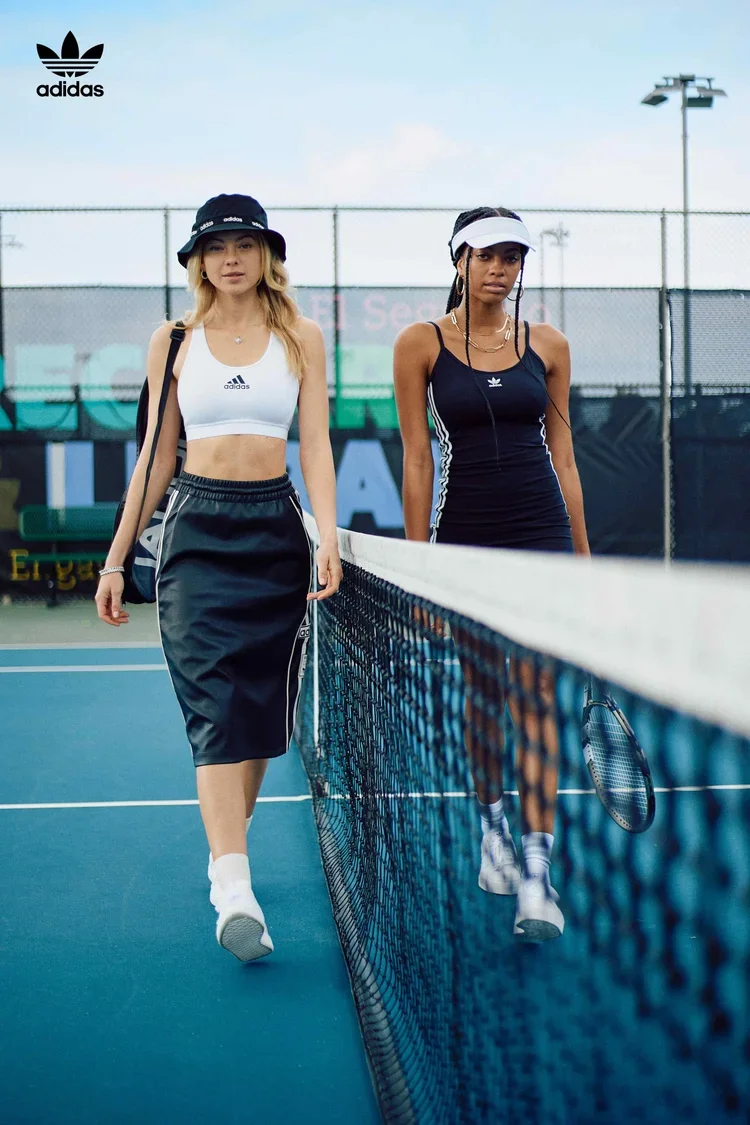
Adidas-Inspired Editorial Shoot
I led wardrobe styling and creative direction for a sportswear-focused editorial featuring:
It was a tennis based campaign. The idea was about how Adidas outerwear can go with a sports perspective, especially tennis, where comfortable styling is the main purpose.The final imagery reflected a modern sports-fashion identity having authenticity and energy.
Why Wardrobe Styling Makes or Breaks Your Advertising Campaign
When styling fails, campaigns suffer from visual confusion and have a negative impact on the audience. People may think that if the brand is not focusing on its own product, then why should they? When styling succeeds, brands become instantly recognizable. People remember them for a long time.Good styling creates trust, which is a key factor in successful brands in the modern era. Poor styling looks bizarre and can lead to disconnected visual storytelling. This makes the product weak and also affects the overall identity of the brand. In contrast, strong styling makes a brand memorable. It creates emotional alignment with the target audience. In short I can say that styling is not decoration; it’s a strategy.
Digital Transformation of Fashion Styling
The fashion industry has shifted from traditional editorial shoots to fast-paced digital campaigns. This change redefined the role of a stylist. Today’s fashion stylists must understand social media framing and mobile-first visual hierarchy. They must also understand e-commerce product clarity and algorithm-driven visual engagement. Brands no longer ask, “Does it look good?” but rather, “Does it perform online? "I don’t know about other stylists’ perspectives, but I adopt these principles in every campaign because I know styling decisions translate effectively across Instagram, web, and other paid advertising platforms.
Market Trends in Advertising & Styling
Modern campaigns are shaped by these three major shifts:
Authenticity over perfection
Audiences value authenticity more than perfection.
Identity-driven styling
Now fashion needs to represent the visual identity and strategy of a brand’s campaign; otherwise, it will be forgettable.
Multi-platform consistency
A single campaign must perform across digital ads, social content, and editorial placements. Because time is evolving and we need to keep pace with it, digital presence has a strong impact on a brand’s visual identity.
Why Choosing the Right Stylist Matters
Nowadays selecting a stylist is a strategic business decision. A strong stylist understands brand positioning and translates creative direction into wearable narratives. A professional stylist maintains brand consistency across all campaign assets. Meanwhile, a weak stylist with little or no experience can dilute the entire message of a campaign and reduce its overall impact. If you want your brand to compete in high-competition markets like Los Angeles, then choosing the right stylist is not optional. It is one of the foundational decisions you make, which directly influences how your brand communicates with its audience.
Fashion Stylist as Creative Director
In high-level campaigns, stylists often function as unofficial creative directors. They have to think how ideas can be translated visually.
For me, this approach includes:
Moodboard development, which is aligned with brand strategy
On-set wardrobe adjustments for lighting and motion
Visual storytelling across multiple scenes
Coordination with photographer and other team members.
This ensures that every frame supports the overall brand direction.
How Fashion Stylists Influence Consumer Behavior
Fashion stylists play a vital role in shaping consumer behavior by influencing their perception during the buying process. When they have control of aesthetics, they make consumers feel how trustworthy a brand is, how well it aligns with a viewer’s lifestyle, and how strongly it represents an identity. They often make decisions based on these visuals, which show whether they feel emotionally connected to a campaign or not.
How Styled by Weathersby Defines Modern Campaign Styling
In a market where every brand is competing for attention, good styling is a foundation for a successful campaign roadmap. My idea of wardrobe curation is more strategic and according to the brand’s narrative. Thus, campaigns become cultural moments.
Let’s work together. If your brand needs visuals that don’t just look good but actually convert attention into impact.
FAQs
Why is styling important in advertising campaigns?
Styling is important because it defines how audiences emotionally and visually connect to a brand.
What does a fashion stylist do in a campaign?
A fashion stylist curates wardrobes, aligns visuals with brand identity, and ensures consistency.
How does styling affect brand perception?
It shapes trust, desirability, and recognition.
Can a stylist improve campaign performance?
Yes, strong styling increases engagement and conversion rates across platforms.
